
Elroy Pinto, is a filmmaker and writer. His debut film, Kaifiyat (2019) won the Cinema Experimenta Award at the 2021 Signs Film Festival. His second film, Samvega-Pasada (2025), is a narrative fiction film based on a modern adaptation of the Buddhist epic of Manimekalai. His filmmaking and writing practice sits at the intersection of class and caste analysis and studies the Epic structure in Indian cinema. He is a film programmer for Nirmik Cultural Arts Center, a radical Ambedkarite space in Mumbai. Elroy is the recipient of the prestigious India Foundation for the Arts Production Grant (2024-2025) and a 2025 Flaherty Professional Development Fellow.
For years, I have been speaking to my parents about the social positionality of our family. The past always dug up uncomfortable memories for both of them. In the process, it soon became apparent that a form of documentation or oral history project had to be undertaken on the life of my grandparents and parents. After my fathers death in 2021 during COVID 19, I discovered albums and documents that provided a glimpse of his earlier life. In a series of written essays, I was able to reflect critically on the material inequities that affected their lives in a class-caste ridden society. My internal question about “which specific caste were we before conversion?” was never answered. In my limited experience of exploring caste in the Catholics of Bombay, the dominant narrative always denies the existence of it. But even the denial of caste cannot eliminate the historical occupations of your elders and their place in village hierarchies.
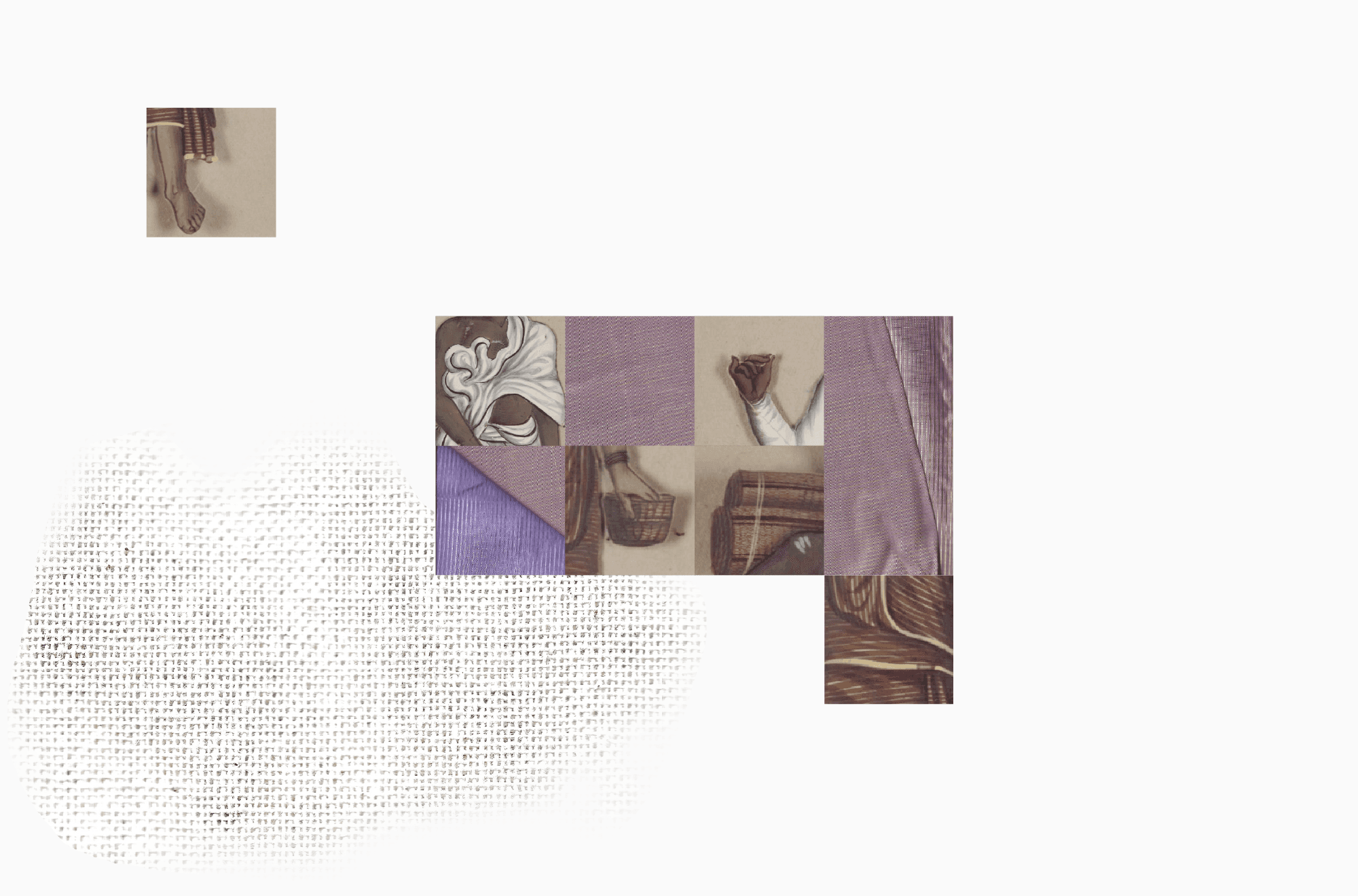
Many blue-collar workers to the Gulf came from the Catholic community in Bombay, some of these were my great-uncles and aunts. As migration picked up in the 1970s, on one such visit back to India, my father’s uncles gifted him a photographic camera. In the following years, my father frequently took photos of his entire family and everyone in his extended social circle. Flipping through this album I spotted an image of my paternal great-grandmother’s saree. On further research into saree draping styles, I realised that their sarees were draped in the Kunbi style. And that is when it all started coming together.
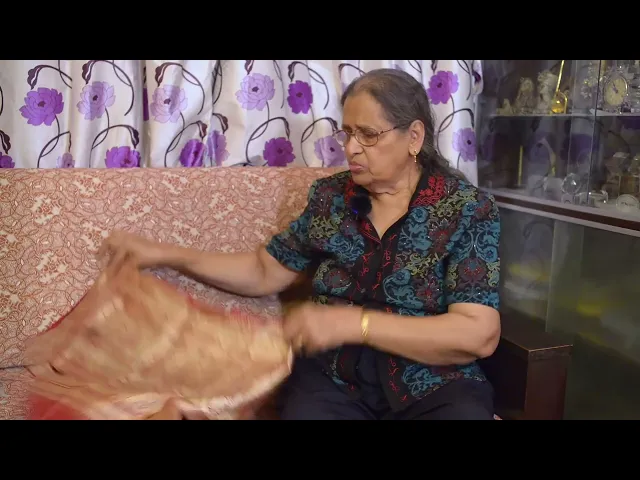
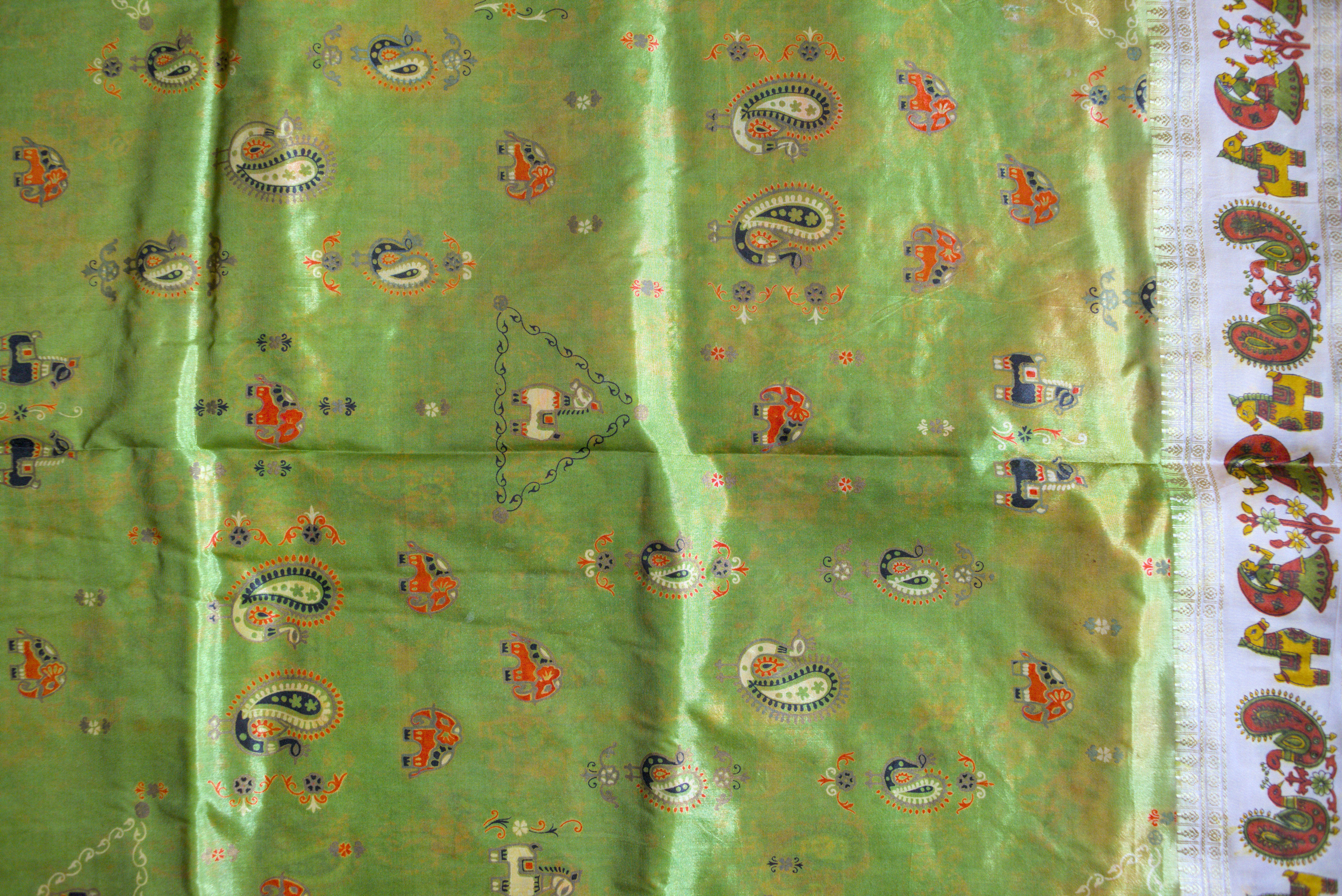
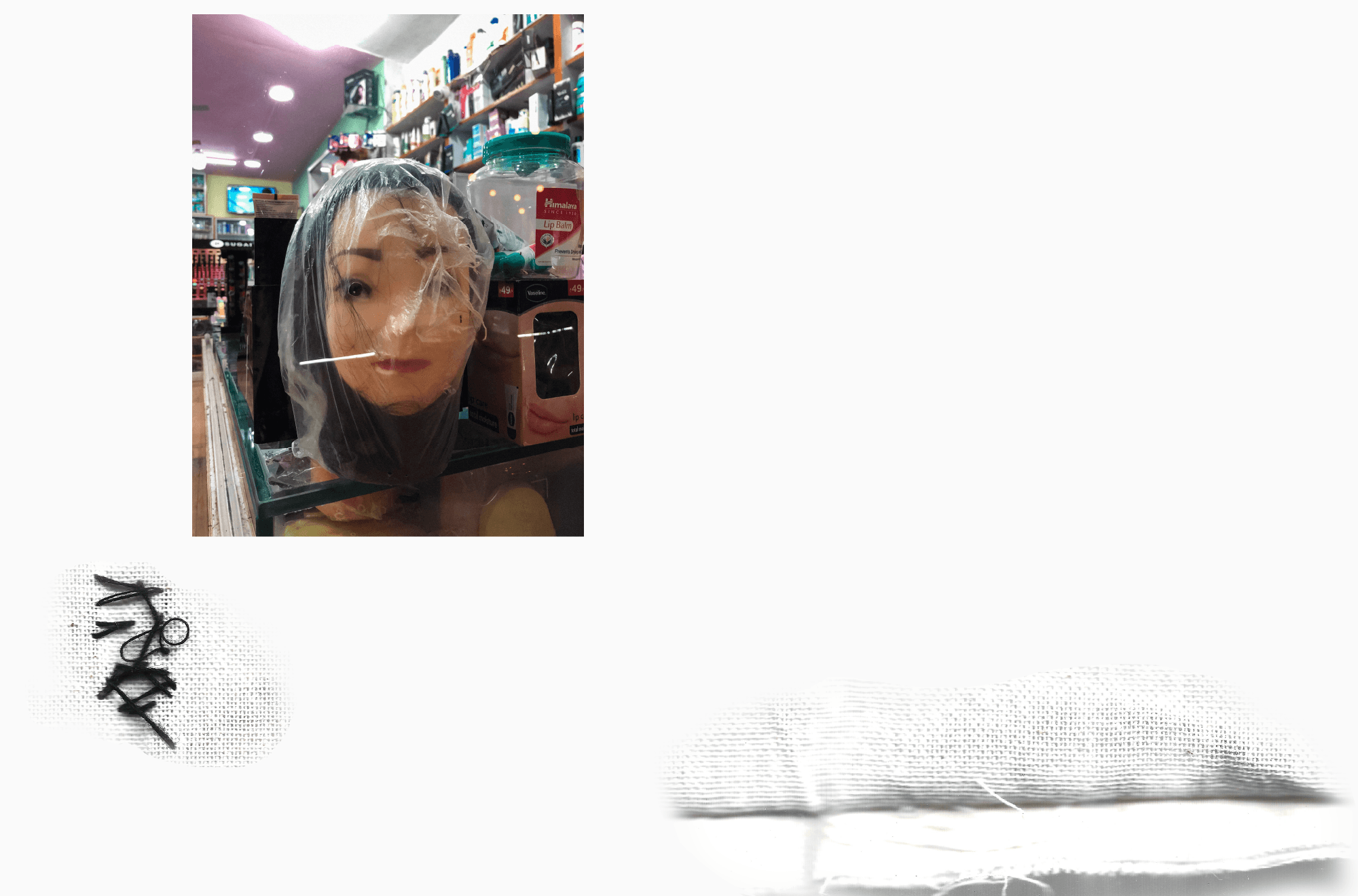
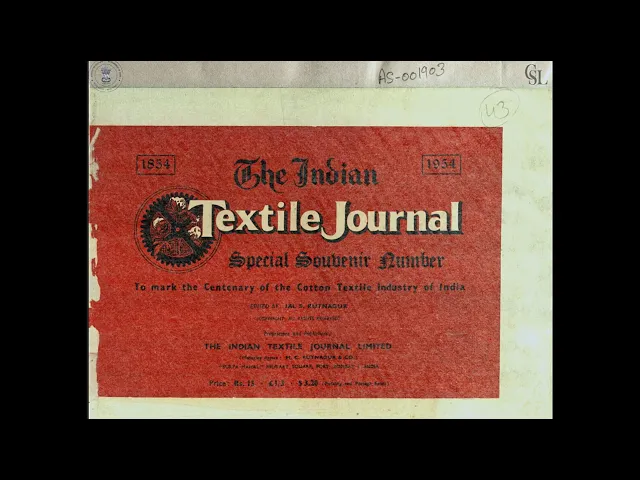
My contribution to this issue of Fourteen Magazine is a short essay-diary film that is an ethnographic account of my mother Hazel’s memories of clothing and textile labour in her family. Her father John worked as a weaver at Khatau Mills for 40 years. He came to Bombay from Shirwa, which is located in South Canara, at the age of eleven in the 1930s. His family were known for growing and selling flowers and vegetables in the local market. Her four brothers took turns working at the mills. Her mother Elizabeth stitched godhadhis (hand woven quilts) to keep the family afloat in difficult times. John worked at the mills even through the famed textile strike of the 80s, as he had to keep a family of six afloat, and also support his extended family at home in Shirwa. As the film goes on, Hazel reveals that all the men and women in the family were competent weavers and creators of textile, both for home use and for sale. The film treats textiles as intimate archives of memory, alongside family photographs and an interview with my mother’s voice, as well as my father’s photo albums.